

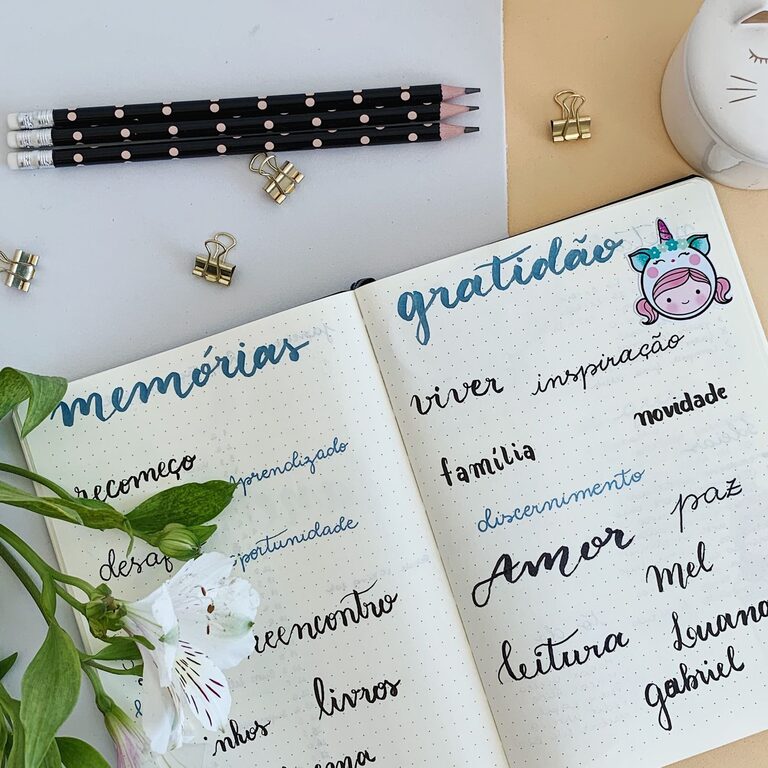
Keeping a gratitude journal is a wonderful way to focus on the positive aspects of life. By regularly recording things you are thankful for, you can improve your mood, reduce stress, and develop a more optimistic outlook. If you have been thinking about starting a gratitude journal but aren’t sure where to begin, this guide will walk you through the process with easy-to-follow tips.
What Is a Gratitude Journal?
A gratitude journal is a dedicated notebook or digital document where you write down things you appreciate each day. These can be big or small — from major life events to simple moments like enjoying a cup of tea or hearing a kind word. The goal is to train your mind to notice and cherish the good parts of your life.
Benefits of Keeping a Gratitude Journal
Before you start, it helps to know why gratitude journaling is worthwhile. Some benefits include:
– Improved mental health: Regularly focusing on positive experiences can decrease feelings of anxiety and depression.
– Better sleep: Reflecting on good things before bed can lead to more restful sleep.
– Strengthened relationships: Noticing and appreciating others can deepen connections.
– Increased resilience: Gratitude can help you handle tough situations more calmly.
– Enhanced self-awareness: Journaling encourages mindfulness and personal growth.
How to Start Your Gratitude Journal
Choose Your Journal
Pick a notebook or journal that you enjoy using. This might be a beautifully bound diary, a simple lined notebook, or even an app on your phone. The key is to have something easily accessible and inviting to write in.
Set a Routine
Decide on a time of day to write in your journal. Many people prefer morning or evening routines, such as just after waking up or before going to sleep. Consistency helps make gratitude journaling a habit.
Start Small
If the idea of writing in a journal feels overwhelming at first, start by noting three things you are grateful for each day. These can be as simple as:
– A sunny day
– A delicious meal
– A friendly smile from a colleague
Be Specific and Personal
Rather than writing general statements like “I’m grateful for my family,” try to be more detailed. For example, “I’m grateful for the chat I had with my sister today that made me laugh.” This increases the emotional impact of your entries.
Include Different Types of Gratitude
Try to vary what you express gratitude for to keep it fresh and meaningful. Some examples are:
– People in your life
– Personal achievements
– Nature and the outdoors
– Acts of kindness you witnessed
– Opportunities you’ve had
Use Prompts if You Need Inspiration
On days when you’re unsure what to write, prompts can help. Some ideas include:
– What made you smile today?
– What is something you often take for granted?
– Name a challenge you’ve overcome recently.
– What is one thing you appreciate about yourself?
Keep It Positive But Honest
Gratitude journaling isn’t about ignoring difficulties, but focusing on positives. It’s okay to acknowledge tough days, then shift focus to something hopeful or comforting.
Reflect and Review Regularly
Every few weeks, look back over your journal entries. This can give you a boost on difficult days and remind you of your progress and the good things in your life.
Tips to Make Gratitude Journaling More Enjoyable
– Personalise your journal: Decorate it with stickers, drawings or photos.
– Write by hand: This can help you connect more deeply with your thoughts.
– Share with others: Sometimes sharing your gratitude can inspire those around you.
– Combine with mindfulness: Take a moment to breathe deeply and feel thankful as you write.
– Be patient: Like any new habit, it takes time for journaling to feel natural.
Common Challenges and How to Overcome Them
– Skipping days: Don’t worry if you miss a day; just start fresh the next day.
– Feeling repetitive: Push yourself to find new things each day or use different prompts.
– Negative thoughts dominating: It’s natural to have difficult feelings; gently guide your focus back to gratitude.
– Doubting the benefits: Keep going and you’ll likely notice positive changes over time.
Final Thoughts
Starting a gratitude journal is a simple yet powerful way to nurture positivity and well-being. With just a few minutes each day, you can train your mind to appreciate the good in your life, even during challenging times. Remember, the most important thing is to start – no need for perfection, just honest, regular reflection.
So why not grab a notebook today and begin your gratitude journey? Your future self will thank you.