

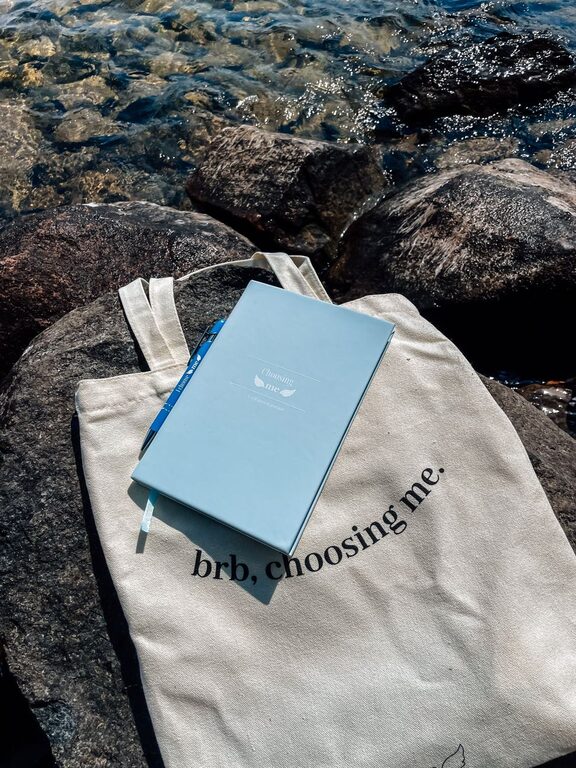
Choosing the right notebook might seem like a simple task, but it can make a big difference in how often you use it and how useful it becomes in your daily life. Whether you want it for jotting down ideas, managing your schedule, or simply doodling, a notebook that suits your preferences encourages regular use and helps you stay organised.
In this post, we’ll explore how to pick a notebook that you’ll enjoy using – from size and paper quality to layout and cover style.
Why Choosing the Right Notebook Matters
A well-chosen notebook can help you:
– Keep your thoughts organised
– Boost creativity and productivity
– Track your plans and goals
– Maintain a consistent writing habit
If your notebook isn’t comfortable or inspiring, you might end up leaving it unused, which wastes both money and potential.
Step 1: Identify Your Purpose
Before you start browsing, think about what you want the notebook for:
– Daily journaling or diary
– Taking notes at work or school
– Sketching and creative work
– Planning and to-do lists
– Meeting minutes or project management
Knowing your primary use will guide your choice in terms of size, paper type and layout.
Step 2: Choose the Right Size
Notebooks come in various sizes, and the best one depends on how you plan to use it:
– Pocket-sized (A6 or smaller): Easy to carry everywhere, perfect for quick notes or lists, but limited space per page.
– Medium (A5): A popular choice, balances portability and writing space well. Ideal for journaling, planning, or work notes.
– Large (A4 or bigger): Great for detailed notes, drawings, or lots of information, but less portable.
If you move around a lot, a smaller notebook might be best. For a desk companion, larger sizes are often better.
Step 3: Consider Paper Quality and Type
Paper quality impacts how pleasant your writing experience is and what pens you can use without bleed-through.
– Weight: Measured in grams per square metre (gsm). Standard notebooks have around 70-80gsm paper, which is good for pencils and ballpoint pens. For fountain pens or markers, look for 90gsm or above.
– Colour: White or off-white pages are common; cream pages are gentler on the eyes and popular in journals.
– Texture: Smooth paper is ideal for neat writing; textured or dotted paper suits sketches or calligraphy.
– Lined, blank, dotted or grid: Lined pages help with writing; blank gives freedom for sketching; dotted or grid is versatile for drawings or diagrams.
Step 4: Pick a Layout That Fits Your Style
The internal layout affects how you organise your notes:
– Lined: Good for written notes and journaling.
– Blank: Great for drawing or freeform writing.
– Dotted: Subtle dots help guide writing without being intrusive, popular for bullet journals.
– Grid: Useful for technical notes, maths or diagrams.
Some notebooks combine layouts, offering a blank section and lined pages together.
Step 5: Think About Binding and Durability
The way a notebook is bound influences how it opens and lasts:
– Spiral-bound: Opens flat and easy to fold back, good for writing on the go. But pages might tear easily.
– Sewn binding: Durable and often lies relatively flat. Ideal for daily-use notebooks.
– Perfect binding (glued spine): Looks neat but may not open flat, which can be tricky.
– Hardcover vs softcover: Hardcover protects pages and adds weight. Softcover is lighter and often more flexible.
Consider how you’ll carry and use your notebook to decide which binding suits you.
Step 6: Choose a Cover That Inspires You
You’re more likely to use a notebook that feels personal and appealing. Covers vary widely in materials and designs:
– Plain or patterned covers: Simple designs suit professional settings, while colourful or artistic covers can be motivating.
– Materials: Leather, faux leather, fabric, cardboard or plastic. Think about durability and texture.
– Additional features: Elastic bands, pen loops, pockets, or ribbon bookmarks can add convenience.
Step 7: Test Before You Commit
If possible, visit a stationery shop to feel different notebooks. Write a few lines to check if you like the paper and how it handles your pen. Seeing and holding a notebook in person can help avoid disappointment.
Step 8: Price and Value
Notebooks come in a range of prices. While it’s tempting to go for the cheapest, investing in a quality notebook you love often pays off in consistent use and durability. Set a budget but prioritise features that matter most to your needs.
Bonus Tips for Making the Most of Your Notebook
– Label your notebook with a date or purpose to keep track of different notebooks you use.
– Use colour-coded pens or tabs to organise sections.
– Keep your notebook somewhere visible to make using it part of your routine.
– Don’t worry about perfection; your notebook is a tool for your benefit.
Conclusion
Choosing a notebook you’ll actually use involves understanding your habits and preferences. Focus on the purpose, size, paper type, layout, binding and cover style. When you find a notebook that appeals to you and feels right in your hands, you’re more likely to turn it into a helpful, enjoyable part of your daily life.
Happy writing!